
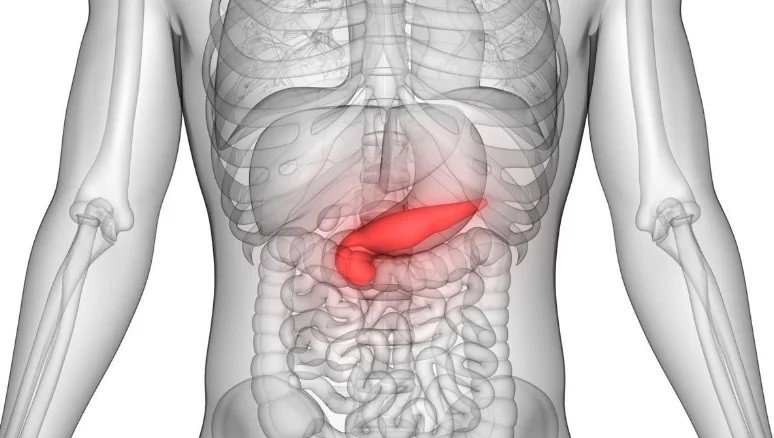

Pancreatitis is a medical condition in which the pancreas becomes inflamed. It can cause severe abdominal pain and digestive problems. Early diagnosis and Pancreatitis Treatment in Pitampura are important to manage the condition and reduce the risk of complications. Recognising the warning signs can help patients seek timely medical attention and prevent the condition from becoming more serious.
Dr. Alokit Gulati provides gastroenterology consultation and care for patients experiencing pancreatic and digestive health problems. Understanding the causes, symptoms, and treatment options for pancreatitis can help patients make informed decisions about their health.
For fast information, directly connect with us on WhatsApp
What Is Pancreatitis?
The pancreas is an important organ located behind the stomach. It produces digestive enzymes that help break down food and hormones such as insulin that regulate blood sugar levels.
Pancreatitis occurs when digestive enzymes become activated inside the pancreas and cause inflammation. The condition can develop suddenly or continue over a longer period.
There are two main types of pancreatitis:
- Acute Pancreatitis: This develops suddenly and may range from mild inflammation to a serious condition requiring hospital care.
- Chronic Pancreatitis: This involves long-term inflammation that can cause permanent damage to the pancreas and affect digestion.
Both types require proper medical evaluation and an individualised treatment approach.
What Are the Common Warning Signs of Pancreatitis?
Recognising pancreatitis symptoms early is important for timely diagnosis. Symptoms may vary depending on the severity and type of inflammation.
Some common warning signs include:
1. Severe Upper Abdominal Pain
Pain in the upper abdomen is one of the most common symptoms. It may spread towards the back and become worse after eating, particularly after meals containing fatty foods.
2. Nausea and Vomiting
Inflammation of the pancreas can affect digestion and cause persistent nausea or vomiting. These symptoms may occur along with abdominal discomfort.
3. Fever and Rapid Heartbeat
Acute pancreatitis may cause fever and an increased heart rate. These symptoms can indicate significant inflammation and require prompt medical assessment.
4. Abdominal Tenderness and Swelling
Some patients experience tenderness, bloating, or swelling around the abdomen. The discomfort may increase when pressure is applied.
5. Unexplained Weight Loss
Chronic pancreatitis can affect the body’s ability to digest and absorb nutrients. As a result, patients may experience unintended weight loss and nutritional deficiencies.
6. Digestive Problems
Long-term pancreatic damage may interfere with digestive enzyme production. This can lead to oily, foul-smelling stools, diarrhoea and difficulty digesting food.
Severe abdominal pain, repeated vomiting, fever, or difficulty breathing should never be ignored. Seek urgent medical attention if these symptoms occur.
What Causes Pancreatitis?
Several factors can contribute to pancreatic inflammation. Identifying the underlying cause helps doctors recommend suitable treatment.
Common causes include:
- Gallstones: These can block the pancreatic duct and interfere with the normal flow of digestive enzymes.
- Alcohol Consumption: Excessive alcohol intake can damage pancreatic tissue and contribute to inflammation.
- High Triglyceride Levels: Very high blood triglyceride levels can increase the risk of acute pancreatitis.
- Certain Medications: Some medicines may trigger pancreatic inflammation in susceptible individuals.
- Genetic Factors: Certain inherited conditions can increase the risk of developing pancreatitis.
In some patients, the exact cause may remain unknown. A detailed medical evaluation helps identify possible risk factors.
How Is Pancreatitis Diagnosed?
Accurate diagnosis is essential before starting Pancreatitis Treatment in Pitampura. A gastroenterologist evaluates the patient’s symptoms, medical history, and risk factors.
Depending on the clinical findings, the doctor may recommend:
- Blood Tests: These measure pancreatic enzymes such as lipase and amylase. They can help identify pancreatic inflammation.
- Ultrasound: This helps detect gallstones and examine the surrounding abdominal organs.
- CT Scan: This provides detailed images of the pancreas and helps assess inflammation and possible complications.
- MRI or MRCP: These investigations may help examine the pancreas and bile ducts.
Not every patient requires all these tests. The investigations depend on the symptoms and clinical condition.
What Are the Treatment Options for Pancreatitis?
Treatment depends on whether the condition is acute or chronic and what has caused the inflammation.
Common treatment approaches include:
1. Hospital-Based Supportive Care
Patients with acute pancreatitis may require hospitalisation. Treatment can include intravenous fluids, pain management, and nutritional support. Doctors also monitor patients for possible complications.
2. Treatment of the Underlying Cause
If gallstones are responsible, an appropriate procedure may be required to remove the blockage or address the gallbladder problem. Patients with high triglyceride levels may need treatment to control them.
3. Dietary Management
A suitable diet can support recovery and reduce digestive discomfort. Doctors may recommend smaller meals with lower fat content, depending on the patient’s condition.
4. Chronic Pancreatitis Management
Patients with chronic pancreatitis may require pancreatic enzyme supplements, nutritional support, and pain management. Treatment may also involve procedures or surgery in selected cases.
Early Pancreatitis Treatment in Pitampura can help manage symptoms, address underlying causes, and reduce the risk of further pancreatic damage.
When Should You Consult a Gastroenterologist?
Persistent upper abdominal pain, repeated vomiting, unexplained weight loss, and digestive problems require medical evaluation.
Do not ignore severe or sudden abdominal pain, especially when it spreads towards the back. Acute pancreatitis can become serious and may require emergency hospital treatment.
Dr. Alokit Gulati offers gastroenterology consultation for patients experiencing pancreatic and digestive health concerns. A timely evaluation can help identify the cause of symptoms and guide appropriate treatment.
Why Is Early Pancreatitis Treatment Important?
Delayed treatment may increase the risk of complications such as pancreatic infections, fluid collections, tissue damage, and impaired digestive function.
Early diagnosis allows doctors to monitor the condition and provide appropriate care. It can also help prevent further damage in patients with recurring or chronic inflammation.
Choosing Pancreatitis Treatment in Pitampura from an experienced gastroenterology specialist can support timely diagnosis, proper disease management, and long-term digestive health.
Conclusion
Pancreatitis can affect digestion, nutritional health, and overall well-being. Symptoms such as severe upper abdominal pain, nausea, vomiting, and unexplained weight loss should not be ignored.
Early diagnosis and appropriate Pancreatitis Treatment in Pitampura are essential for managing pancreatic inflammation and reducing the risk of complications. Consult Dr. Alokit Gulati for professional gastroenterology evaluation and guidance based on your symptoms and medical condition.
Frequently Asked Questions
1. What is the most common symptom of pancreatitis?
Severe upper abdominal pain is one of the most common symptoms. The pain may spread towards the back and become worse after eating.
2. Is acute pancreatitis a serious condition?
Yes. Acute pancreatitis can range from mild inflammation to a severe condition involving complications. Some patients require hospitalisation and close medical monitoring.
3. Can pancreatitis be treated without surgery?
Many cases can be managed without surgery through supportive care, medication, and treatment of the underlying cause. However, some patients may require endoscopic procedures or surgery.
4. Which foods should be avoided during pancreatitis?
Doctors may recommend avoiding high-fat foods, fried meals, and alcohol. Dietary advice should be based on the patient’s condition and recovery needs.
5. Can chronic pancreatitis affect digestion?
Yes. Chronic inflammation can reduce the production of digestive enzymes, leading to poor nutrient absorption, oily stools, and unintended weight loss.
6. When should I seek pancreatitis treatment?
Seek medical attention if you experience persistent upper abdominal pain, nausea, vomiting, or unexplained digestive problems. Sudden severe abdominal pain requires urgent medical assessment.
For more information about Dr. Alokit Gulati, visit https://share.google/tX5R2MPuTZN9iIYgZ to learn more about their services or to book an appointment.