

Digestive problems can range from occasional acidity to persistent abdominal pain, bowel changes, and liver-related concerns. When symptoms continue, recur frequently, or interfere with daily life, consulting a qualified Gastroenterologist in Rohini can help identify the underlying cause. Proper evaluation is important because similar digestive symptoms can occur due to very different medical conditions.
Dr. Alokit Gulati provides specialist gastroenterology care with an emphasis on accurate diagnosis, individualized treatment, and long-term digestive health.
For fast information, directly connect with us on WhatsApp
What Does a Gastroenterologist Treat?
A gastroenterologist specializes in conditions affecting the digestive system. This includes the oesophagus, stomach, small intestine, large intestine, liver, gallbladder, pancreas, and related organs.
A Gastroenterologist in Rohini may evaluate patients with symptoms such as:
- Persistent acidity or heartburn
- Abdominal pain
- Bloating and indigestion
- Constipation or recurring diarrhoea
- Nausea and vomiting
- Difficulty swallowing
- Blood in the stool
- Unexplained weight loss
- Abnormal liver test results
The right treatment depends on the underlying cause rather than the symptom alone.
When Should You Consult a Gastroenterologist in Rohini?
Occasional indigestion may improve with dietary changes. However, persistent or unexplained symptoms should not be ignored.
You should consider consulting a Gastroenterologist in Rohini if digestive problems keep returning or affect your routine. Frequent heartburn, long-lasting abdominal discomfort, changes in bowel habits, or unexplained weight changes may require specialist assessment.
Some symptoms also need prompt medical attention. These include vomiting blood, black stools, severe abdominal pain, persistent vomiting, difficulty swallowing, or significant unexplained weight loss.
Common Conditions Evaluated During Gastroenterology Care
A gastroenterologist may diagnose and manage a wide range of conditions. These include gastroesophageal reflux disease, gastritis, peptic ulcers, irritable bowel syndrome, inflammatory bowel disorders, fatty liver disease, hepatitis, gallstones, pancreatitis, and gastrointestinal bleeding.
The symptoms of these conditions can overlap. For example, abdominal discomfort may be related to gastritis, an ulcer, gallbladder disease, or another digestive problem.
Therefore, self-diagnosis can be misleading. A specialist assessment helps determine which investigations and treatment approach are appropriate.
How Are Digestive Problems Diagnosed?
Diagnosis begins with a detailed consultation. Your doctor may ask about the duration of symptoms, eating habits, medications, previous illnesses, family history, and lifestyle factors.
A physical examination may then be followed by investigations when clinically necessary. Depending on the symptoms, these may include blood tests, stool tests, ultrasound, endoscopy, colonoscopy, or other specialized investigations.
Not every patient requires every test. A responsible diagnostic approach avoids unnecessary investigations and focuses on tests that can provide useful clinical information.
Importance of Personalized Gastroenterology Treatment
There is no single treatment that works for every digestive condition. The appropriate approach depends on the diagnosis, severity of symptoms, medical history, age, lifestyle, and investigation results.
Treatment may include prescribed medicines, dietary modifications, lifestyle changes, treatment of an underlying infection, or an appropriate procedure.
For patients consulting a Gastroenterologist in Rohini, personalized treatment is particularly important when symptoms are chronic or recurring. Long-term conditions may require regular monitoring rather than short-term symptom relief alone.
Role of Endoscopy in Gastrointestinal Diagnosis
When symptoms require a closer examination of the digestive tract, endoscopic procedures may be recommended.
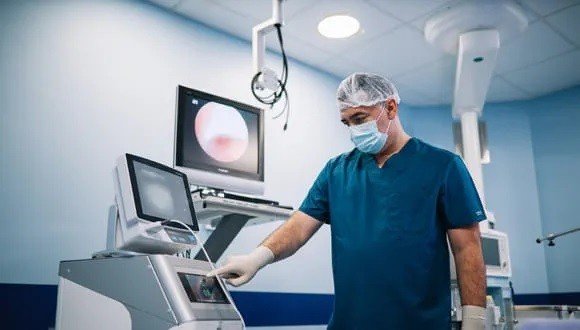
Upper gastrointestinal endoscopy can help examine the oesophagus, stomach, and the first part of the small intestine. Colonoscopy allows assessment of the large intestine. Other specialized procedures may be considered depending on the suspected condition.
These procedures can help identify inflammation, ulcers, bleeding, structural abnormalities, and other changes. In selected cases, a biopsy may also be taken for further evaluation.
The need for an endoscopic procedure should always be determined after appropriate medical assessment.
Maintaining Better Digestive Health
Medical treatment works best when supported by healthy daily habits. Maintaining a balanced diet, staying adequately hydrated, being physically active, and getting sufficient sleep can support overall digestive health.
It is also important to avoid unnecessary self-medication. Some medicines can irritate the digestive tract or affect existing conditions when used without appropriate medical guidance.
Patients with recurring symptoms should keep track of possible triggers and discuss them during their consultation.
Why Choose Dr. Alokit Gulati?
Choosing a Gastroenterologist in Rohini should involve considering medical qualifications, clinical experience, diagnostic expertise, communication, and the ability to provide individualized care.
Dr. Alokit Gulati is a gastroenterologist, hepatologist, and advanced endoscopist who manages gastrointestinal, liver, pancreatic, and biliary conditions. His approach focuses on understanding the patient’s symptoms, identifying the underlying cause, and developing an appropriate treatment plan based on clinical findings.
Conclusion
Persistent digestive symptoms deserve proper medical evaluation. Acidity, abdominal pain, bloating, bowel changes, swallowing difficulty, or unexplained weight loss can sometimes indicate an underlying condition that requires specialist care.
Consulting a Gastroenterologist in Rohini can help establish an accurate diagnosis and guide appropriate treatment. Dr. Alokit Gulati focuses on evidence-based evaluation and personalized gastroenterology care to help patients manage digestive conditions effectively.
Frequently Asked Questions
1. When should I see a Gastroenterologist in Rohini?
You should consider consultation when digestive symptoms are persistent, recurrent, unexplained, or affecting your daily activities.
2. What problems does a gastroenterologist treat?
A gastroenterologist evaluates conditions involving the digestive tract, liver, gallbladder, pancreas, and related organs.
3. Do all digestive symptoms require medical tests?
No. Investigations are recommended according to the patient’s symptoms, examination findings, medical history, and suspected condition.
4. Can persistent acidity require specialist evaluation?
Yes. Frequent or persistent acidity, particularly when it does not improve with appropriate measures, should be evaluated to identify the underlying cause.
5. When is endoscopy recommended?
Endoscopy may be recommended when symptoms require direct examination of the digestive tract or when the doctor needs additional information to establish a diagnosis.
For more information about Dr. Alokit Gulati, visit https://share.google/tX5R2MPuTZN9iIYgZ to learn more about their services or to book an appointment.