
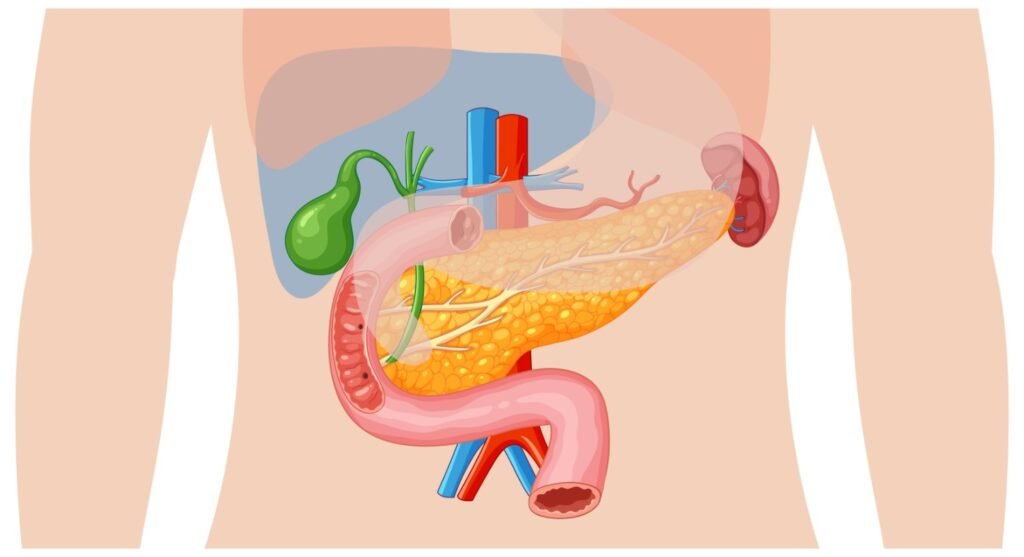

Bile duct problems can cause symptoms such as abdominal pain, jaundice, nausea, fever, and changes in liver function tests. When a blockage or other biliary condition needs endoscopic treatment, ERCP Treatment in Pitampura may be recommended by a gastroenterologist. ERCP, or Endoscopic Retrograde Cholangiopancreatography, is an advanced procedure that can help treat certain problems affecting the bile ducts and pancreatic ducts.
At Dr. Alokit Gulati’s gastroenterology practice, patients can receive specialist evaluation to determine whether ERCP is appropriate for their condition. Importantly, ERCP is now used mainly as a therapeutic procedure rather than simply for diagnosis. Tests such as ultrasound, MRCP, CT, or EUS may first be used to identify the underlying problem.
For fast information, directly connect with us on WhatsApp
What Is ERCP?
ERCP combines endoscopy and X-ray imaging to examine and treat the bile and pancreatic ducts. During the procedure, a flexible endoscope is guided through the mouth into the small intestine. A contrast dye is then introduced into the ducts so that blockages or abnormalities can be identified.
If a problem is found, the gastroenterologist may be able to treat it during the same procedure. Depending on the condition, treatment can involve removing bile duct stones, widening a narrowed duct, placing a stent, or managing a bile leak.
This therapeutic approach makes ERCP Treatment in Pitampura useful for selected patients who have confirmed or strongly suspected biliary obstruction.
When Is ERCP Recommended for Bile Duct Problems?
ERCP is not necessary for every patient with abdominal or digestive symptoms. A gastroenterologist considers the patient’s symptoms, blood tests, imaging findings, medical history, and overall risk before recommending the procedure.
1. Bile Duct Stones
One of the most common reasons for therapeutic ERCP is a stone in the common bile duct, also called choledocholithiasis. These stones can obstruct the normal flow of bile and may cause pain, jaundice, infection, or pancreatitis.
When imaging confirms a bile duct stone, ERCP may allow the specialist to access the duct and remove the stone. For patients who need Bile Duct Treatment in Pitampura, ERCP can therefore provide a minimally invasive treatment option in appropriate cases.
2. Bile Duct Obstruction
A blocked bile duct can prevent bile from reaching the intestine. This may result in jaundice, dark urine, pale stools, itching, or abnormal liver function tests.
ERCP may be used when the cause of obstruction requires endoscopic treatment. A stent may sometimes be placed to improve bile drainage. The underlying cause of the blockage determines the most suitable treatment.
3. Cholangitis
Cholangitis is an infection involving the bile ducts and can occur when bile flow becomes obstructed. It may cause fever, abdominal pain, and jaundice and can require urgent medical attention.
When biliary obstruction is responsible, ERCP can help restore drainage and treat the obstruction. This is one reason timely evaluation is important when symptoms suggest a serious bile duct problem.
4. Bile Duct Strictures
A bile duct stricture is an abnormal narrowing of the bile duct. It may develop because of previous surgery, inflammation, pancreatitis, or other underlying conditions.
In selected patients, ERCP can be used to dilate the narrowed area or place a stent to improve bile flow. ASGE guidance recognizes dilation and stent placement as therapeutic applications of ERCP for appropriate biliary strictures.
5. Bile Leaks
Bile leakage can occasionally occur after gallbladder or other abdominal surgery. Depending on the location and severity of the leak, ERCP may be used to reduce pressure within the biliary system and facilitate healing.
This makes ERCP Treatment in Pitampura a potential treatment option for selected postoperative bile leaks.
How Does ERCP Help Treat Bile Duct Stones?
If a bile duct stone is causing obstruction, the specialist may perform a small cut at the opening of the bile duct, known as sphincterotomy. Special instruments can then be used to remove the stone.
For larger or difficult stones, additional techniques may be required. In selected cases, balloon dilation or intraductal therapies can help with stone removal. The exact approach depends on the size, number, location, and complexity of the stones.
Patients seeking Bile Duct Treatment in Pitampura should therefore undergo proper evaluation rather than assuming that ERCP is automatically required.
Is ERCP a Diagnostic or Treatment Procedure?
ERCP was historically used for both diagnosis and treatment. However, modern practice generally favors non-invasive or less invasive imaging, such as MRCP and EUS, when the main goal is diagnosis.
ERCP is primarily reserved for situations where treatment is likely to be required. This approach helps avoid unnecessary exposure to procedure-related risks.
Therefore, ERCP Treatment in Pitampura should be considered after a careful assessment of whether the expected benefits outweigh the risks for an individual patient.
What Happens Before ERCP?
Before recommending ERCP, the gastroenterologist may review symptoms, liver function tests, ultrasound findings, MRCP, CT, or EUS results. Patients may also be advised about fasting requirements and medications, particularly blood thinners.
The preparation depends on the patient’s health and the reason for the procedure. A detailed medical history is important because certain conditions or medications may influence the procedure plan.
Are There Risks Associated With ERCP?
ERCP is an advanced procedure and, like any medical intervention, carries potential risks. Possible complications include pancreatitis, bleeding, infection, perforation, and reactions related to sedation or anesthesia.
ASGE guidance emphasizes that ERCP should be performed for appropriate indications because it carries meaningful procedure-related risks.
Choosing an experienced gastroenterologist and undergoing the procedure in an appropriate medical setting can help support safe and effective care.
Why Timely Bile Duct Treatment Matters
Ignoring symptoms of bile duct obstruction can allow complications to develop. Persistent blockage may affect liver function and, in some situations, lead to infection or pancreatitis.
If you experience jaundice, persistent upper abdominal pain, fever with abdominal discomfort, unexplained vomiting, or abnormal liver tests, consult a gastroenterologist for proper evaluation. Early assessment can help determine whether medication, observation, surgery, ERCP, or another treatment is appropriate.
For patients requiring Bile Duct Treatment in Pitampura, the choice of treatment should always be based on the underlying cause and individual clinical findings.
Conclusion
ERCP can play an important role in treating selected bile duct problems, particularly bile duct stones, biliary obstruction, cholangitis, strictures, and bile leaks. Because it is an invasive procedure with potential complications, it should not be performed simply for diagnostic purposes when safer imaging alternatives can provide the required information.
If you have symptoms suggesting a bile duct disorder, a specialist evaluation is the right first step. With appropriate diagnosis and treatment planning, ERCP Treatment in Pitampura can help manage specific biliary conditions effectively. Dr. Alokit Gulati provides gastroenterology care focused on identifying the cause of digestive and biliary problems and selecting treatment according to each patient’s needs.
FAQs
1. What is ERCP used for?
ERCP is mainly used to treat conditions affecting the bile and pancreatic ducts. Common applications include bile duct stone removal, biliary obstruction, strictures, cholangitis, and bile leaks.
2. Is ERCP necessary for every bile duct stone?
No. The need for ERCP depends on the location and likelihood of a bile duct stone, symptoms, laboratory findings, and imaging results. In some patients, MRCP or EUS may be appropriate before therapeutic ERCP.
3. Can ERCP remove bile duct stones?
Yes. When appropriate, ERCP can be used to access the bile duct and remove stones using specialized endoscopic techniques.
4. Is ERCP painful?
ERCP is generally performed with sedation or anesthesia, so patients typically do not experience significant discomfort during the procedure. Some mild throat discomfort or abdominal symptoms may occur afterward.
5. When should I see a gastroenterologist for bile duct problems?
Consult a gastroenterologist if you develop jaundice, persistent upper abdominal pain, fever, dark urine, pale stools, or unexplained abnormalities in liver function tests. Urgent medical attention may be needed when symptoms suggest bile duct infection or significant obstruction.