

Introduction
Digestive problems can sometimes originate in the small intestine, where standard endoscopy and colonoscopy may not reach every affected area. Consulting an experienced Enteroscopy Doctor in Pitampura can help patients understand their symptoms and determine whether further investigation is necessary. Enteroscopy is a specialised procedure that allows a doctor to examine the small intestine and identify conditions that may require medical treatment.
Understanding the procedure, its benefits, and its role in diagnosis can help patients make informed decisions about their digestive health.
What Is Enteroscopy?
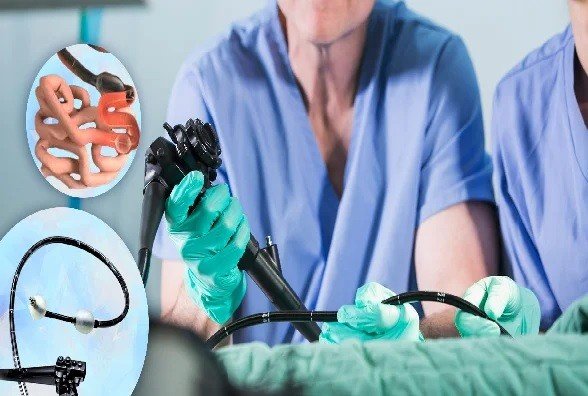
Enteroscopy is a minimally invasive procedure used to examine the inner lining of the small intestine. It involves a thin, flexible tube equipped with a light and camera. The images help the doctor identify abnormalities and assess the condition of the intestinal lining.
An Enteroscopy Doctor in Pitampura may recommend this procedure when symptoms or previous test results suggest a problem in an area that routine endoscopy cannot adequately examine.
Depending on the patient’s condition, the doctor may also collect tissue samples or perform certain treatments during the procedure.
For fast information, directly connect with us on WhatsApp
When Is Enteroscopy Recommended?
Enteroscopy is generally recommended when a patient needs a more detailed examination of the small intestine. Common reasons include:
- Unexplained gastrointestinal bleeding: To investigate possible sources of bleeding within the small intestine.
- Iron-deficiency anaemia: To evaluate suspected intestinal blood loss when initial investigations do not identify the cause.
- Persistent abdominal symptoms: To investigate selected cases of ongoing pain or unexplained digestive problems.
- Suspected intestinal inflammation: To examine abnormalities that may be associated with inflammatory bowel conditions.
- Small intestine polyps or growths: To assess suspicious findings and obtain tissue samples when necessary.
- Abnormal previous investigations: To investigate findings identified through capsule endoscopy or imaging tests.
The need for enteroscopy depends on the patient’s symptoms, medical history, and previous investigation results.
How Is the Enteroscopy Procedure Performed?
An enteroscopy procedure usually involves several steps.
1. Preparation Before the Procedure
The doctor reviews the patient’s medical history, current medicines, allergies, and previous test reports. Depending on the type of enteroscopy, fasting or bowel cleansing may be necessary.
Patients should follow the preparation instructions carefully. They should also discuss blood-thinning medicines and diabetes medication with their doctor before making any changes.
2. Insertion of the Enteroscope
The procedure may be performed through the mouth or through the anus, depending on the part of the small intestine that needs examination. Sedation or anaesthesia may be used to improve comfort.
Specialised techniques, including balloon-assisted enteroscopy, can help the doctor advance the instrument deeper into the small intestine.
3. Examination and Diagnosis
The camera transmits images to a monitor, allowing the doctor to examine the intestinal lining. If necessary, small tissue samples can be collected for laboratory testing. Certain abnormalities, such as bleeding lesions or selected polyps, may also be treated during the procedure.
4. Recovery and Follow-Up
After the procedure, patients are monitored until they recover sufficiently from sedation. Mild bloating, abdominal discomfort, or a sore throat may occur, depending on the approach used.
The doctor explains the initial findings and recommends further treatment or follow-up based on the results.
Benefits of Consulting an Enteroscopy Doctor in Pitampura
Seeking an appropriate specialist can help patients receive a clear evaluation and suitable treatment recommendations.
Key benefits of enteroscopy include:
- Detailed examination: It helps assess areas of the small intestine that are difficult to reach with standard endoscopy.
- Targeted diagnosis: It can help identify the cause of unexplained bleeding, inflammation, and other intestinal abnormalities.
- Tissue sampling: Biopsies can help determine the nature of suspicious tissue changes.
- Treatment during examination: Selected problems may be treated during the same procedure.
- Better treatment planning: Findings help the doctor decide whether medication, further testing, endoscopic treatment, or surgery is appropriate.
An Enteroscopy Doctor in Pitampura can assess whether these benefits apply to an individual patient’s condition and explain the available options.
Risks and Precautions of Enteroscopy
Enteroscopy is generally considered safe when performed for an appropriate medical reason. However, like other invasive procedures, it carries certain risks.
Possible complications include bleeding, injury or perforation of the intestinal wall, and reactions to sedation. Pancreatitis can also occur after some upper balloon-assisted procedures. The likelihood of complications depends on the technique used and whether additional treatment is performed.
Patients should discuss their medical history, allergies, and concerns with their doctor before the procedure. Afterward, severe abdominal pain, fever, significant bleeding, or persistent vomiting requires prompt medical assessment.
Conclusion
Enteroscopy plays an important role in diagnosing and managing selected small intestine disorders. It allows detailed examination of areas that may not be accessible through routine endoscopy and can support both diagnosis and treatment.
Consulting an Enteroscopy Doctor in Pitampura, such as Dr. Alokit Gulati, can help patients understand whether this procedure is appropriate for their symptoms. A careful evaluation, proper preparation, and timely follow-up are essential for effective digestive healthcare.
Frequently Asked Questions (FAQs)
1. What is the main purpose of enteroscopy?
Enteroscopy helps examine the small intestine to investigate problems such as unexplained bleeding, suspected inflammation, polyps, and other abnormalities.
2. Is enteroscopy a painful procedure?
Sedation or anaesthesia is commonly used to improve comfort. Some patients may experience mild bloating, abdominal discomfort, or a sore throat afterward.
3. How should I prepare for enteroscopy?
Preparation depends on the type of procedure. Your doctor may advise fasting, a special diet, or bowel cleansing. Follow the instructions provided by your medical team.
4. Can enteroscopy detect small intestine disorders?
Yes. It can help identify abnormalities such as bleeding lesions, inflammation, ulcers, polyps, and suspected growths. Biopsies may be taken when required.
5. When should I consult an enteroscopy doctor in Pitampura?
Consider a specialist consultation if you have unexplained gastrointestinal bleeding, persistent iron-deficiency anaemia, or abnormal findings on previous digestive investigations. Your doctor can determine whether enteroscopy is necessary.
For more information about Dr. Alokit Gulati, visit https://share.google/tX5R2MPuTZN9iIYgZ to learn more about their services or to book an appointment.