
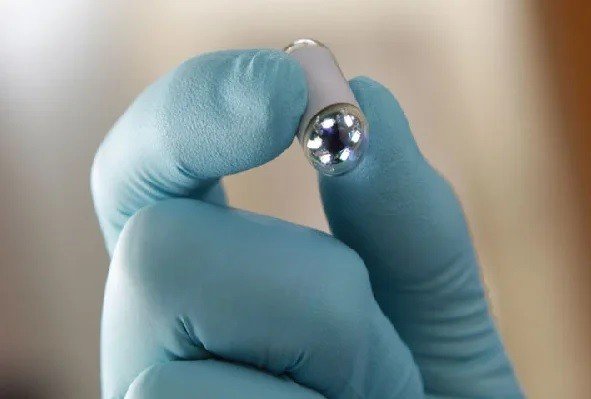

Digestive problems can sometimes originate in parts of the small intestine that are difficult to examine with conventional endoscopy. Capsule Endoscopy in Rohini offers a modern, minimally invasive way to examine the small intestine using a small camera capsule. It can help gastroenterologists identify certain causes of unexplained gastrointestinal bleeding, anemia, inflammation, and other small-bowel conditions.
What Is Capsule Endoscopy?
Capsule endoscopy is a diagnostic procedure in which a patient swallows a capsule containing a tiny camera, light source, and image-transmission system. As the capsule naturally moves through the digestive tract, it captures images of the intestinal lining.
The images are transmitted to a recording device worn by the patient. The gastroenterologist later reviews these images to look for abnormalities inside the small intestine.
Unlike conventional upper endoscopy and colonoscopy, Capsule Endoscopy in Rohini can provide detailed visual information from areas of the small intestine that are not easily reached by standard endoscopic procedures.
For fast information, directly connect with us on WhatsApp
Why Is Capsule Endoscopy Recommended?
Your gastroenterologist may recommend capsule endoscopy when other investigations have not provided a clear explanation for certain digestive problems.
Common reasons include:
- Unexplained gastrointestinal bleeding
- Iron-deficiency anemia with no identified source
- Suspected or known Crohn’s disease
- Suspected small-intestinal tumors
- Certain small-bowel inflammatory conditions
- Evaluation of selected malabsorptive disorders
- Surveillance of some inherited polyposis conditions
Capsule endoscopy is particularly useful when the suspected problem is located in the small intestine.
Benefits of Capsule Endoscopy in Rohini
One of the major advantages of Capsule Endoscopy in Rohini is that it does not require a conventional flexible endoscope to travel through the digestive tract. The patient simply swallows the camera capsule, which then moves naturally through the gastrointestinal tract.
The procedure is generally considered comfortable. It also allows doctors to examine a significant portion of the small intestine and identify abnormalities that may not be visible through routine upper endoscopy or colonoscopy.
However, capsule endoscopy is a diagnostic test. It does not allow tissue samples to be taken or abnormalities to be treated during the examination. If an important lesion is detected, additional testing or therapeutic endoscopy may be required.
What Happens During Capsule Endoscopy?
Before the procedure, your doctor will provide specific preparation instructions. An empty stomach is usually recommended so that the camera can capture clearer images.
During Capsule Endoscopy in Rohini, sensors may be placed on the abdomen and connected to a small recording device. You then swallow the capsule with water. The capsule travels naturally through the digestive tract while taking images.
The recording device is usually worn for several hours. After the examination period, it is returned so the recorded images can be reviewed by the gastroenterologist.
Is Capsule Endoscopy Safe?
Capsule endoscopy is generally well tolerated, but it is not suitable for every patient. One important concern is capsule retention, which can occur if there is a narrowing or blockage in the digestive tract.
Patients with suspected intestinal obstruction, strictures, swallowing difficulties, or certain previous abdominal conditions may require additional assessment before the procedure. In selected high-risk cases, a patency capsule may be considered to check whether a capsule can pass safely.
For this reason, a gastroenterologist should evaluate your symptoms and medical history before recommending the test.
Preparing for Capsule Endoscopy in Rohini
Proper preparation can improve the quality of the examination. Your doctor may ask you to avoid food and drinks for a specific period before swallowing the capsule. Bowel preparation may also be recommended in some cases.
Tell your doctor about your current medicines, previous abdominal surgeries, swallowing difficulties, and any history of bowel obstruction or inflammatory bowel disease. These details can help determine whether capsule endoscopy is appropriate for you.
Choosing a Gastroenterologist for Capsule Endoscopy
Choosing an experienced gastroenterologist is important when you need Capsule Endoscopy in Rohini. The procedure should be recommended based on your symptoms, previous test results, and overall digestive health.
Dr. Alokit Gulati provides gastroenterology evaluation and guidance for patients requiring advanced diagnostic assessment. A detailed consultation can help determine whether capsule endoscopy is the right investigation for your condition.
Conclusion
Capsule Endoscopy in Rohini is an advanced diagnostic option for examining the small intestine when conventional tests may not provide enough information. By using a small camera capsule, doctors can obtain detailed images of areas that are difficult to reach with standard endoscopy.
If you have unexplained gastrointestinal bleeding, iron-deficiency anemia, suspected small-bowel disease, or persistent digestive concerns, consult a qualified gastroenterologist to determine whether capsule endoscopy may be appropriate for you.
Frequently Asked Questions
1. What is Capsule Endoscopy in Rohini used for?
It is mainly used to examine the small intestine and investigate conditions such as unexplained gastrointestinal bleeding, iron-deficiency anemia, Crohn’s disease, and suspected small-bowel abnormalities.
2. Is capsule endoscopy painful?
Capsule endoscopy is generally considered comfortable because the patient swallows the capsule rather than undergoing insertion of a conventional endoscope through the mouth or rectum.
3. How does the capsule leave the body?
The capsule normally travels through the digestive tract and is passed naturally through a bowel movement. Patients generally do not need to retrieve it.
4. Can capsule endoscopy treat a digestive condition?
No. Capsule endoscopy is primarily a diagnostic procedure. If an abnormality is detected, another procedure may be needed for biopsy or treatment.
5. Is capsule endoscopy suitable for everyone?
No. Patients with suspected intestinal narrowing or obstruction and certain other conditions may need additional evaluation before capsule endoscopy. Your gastroenterologist will assess whether the procedure is appropriate.
For more information about Dr. Alokit Gulati, visit https://share.google/tX5R2MPuTZN9iIYgZ to learn more about their services or to book an appointment.