
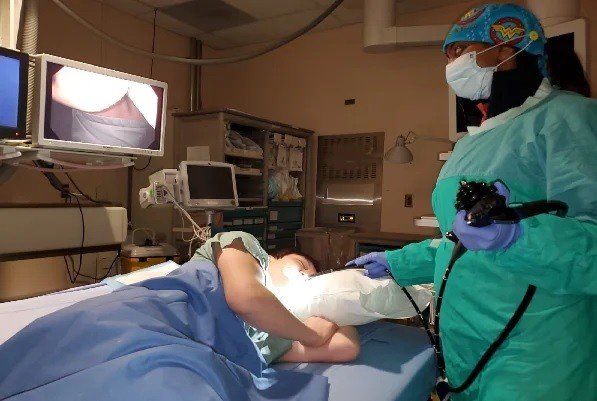

Digestive problems such as persistent acidity, abdominal discomfort, difficulty swallowing, or unexplained vomiting may sometimes need detailed evaluation. Endoscopy in Rohini allows a gastroenterologist to examine the upper digestive tract and look for possible causes of ongoing symptoms. Dr. Alokit Gulati provides gastroenterology consultations and endoscopic care for patients with different digestive concerns.
What Is an Upper GI Endoscopy?
An upper GI endoscopy is a diagnostic procedure that looks at the upper gastrointestinal tract’s lining. The stomach, esophagus, and first segment of the small intestine are often assessed.
A thin, flexible tube containing a tiny camera is carefully inserted into the mouth during the process. The camera provides images of the digestive tract, helping the doctor identify abnormalities such as inflammation, ulcers, bleeding, or other changes.
For patients who need detailed evaluation of persistent digestive symptoms, Endoscopy in Rohini can provide useful information that may not be available through routine examinations.
For fast information, directly connect with us on WhatsApp
When Is Upper GI Endoscopy Recommended?
An upper GI endoscopy is not required for every digestive complaint. A gastroenterologist may recommend it when symptoms are persistent, recurrent, unexplained, or require closer examination.
Persistent Acidity and Heartburn
Occasional acidity is common. However, frequent heartburn that continues despite treatment may need further evaluation. Endoscopy can help examine the oesophagus and stomach for inflammation, reflux-related changes, or other abnormalities.
If acidity or heartburn keeps returning, Endoscopy in Rohini may be recommended after a proper consultation and assessment of your symptoms.
Difficulty or Pain While Swallowing
Difficulty swallowing, also called dysphagia, should be medically evaluated. An upper GI endoscopy can help examine the oesophagus and identify possible narrowing, inflammation, or structural abnormalities.
Timely Endoscopy in Rohini may help determine the cause when swallowing problems are persistent or associated with other digestive symptoms.
Recurrent Upper Abdominal Pain
Persistent pain in the upper abdomen can occur due to several digestive conditions. If the pain continues, becomes recurrent, or occurs with other symptoms, a doctor may recommend an endoscopic examination.
In such situations, Endoscopy in Rohini can help provide a direct view of the upper digestive tract and support further diagnosis.
Unexplained Vomiting
Repeated or unexplained vomiting may require medical assessment. Depending on the patient’s symptoms and clinical findings, Upper GI Endoscopy in Rohini can help identify abnormalities affecting the oesophagus, stomach, or duodenum.
Suspected Ulcers or Gastrointestinal Bleeding
Vomiting blood or passing black, tarry stools requires prompt medical attention. In suitable cases, upper GI endoscopy can help identify the source of bleeding and guide further management.
A specialist may recommend Endoscopy in Rohini when there are symptoms suggesting an ulcer, bleeding, or another upper gastrointestinal problem.
What Can Upper GI Endoscopy Detect?
Upper GI Endoscopy in Rohini may be used to evaluate conditions affecting the oesophagus, stomach, and upper small intestine. Depending on the symptoms, the procedure can help identify abnormalities such as gastritis, ulcers, inflammation, and reflux-related changes.
In some cases, the doctor may take a small tissue sample called a biopsy for laboratory examination. A biopsy can help investigate different digestive conditions and does not automatically mean that cancer is suspected.
What to Expect During Endoscopy?
Before the procedure, your doctor will provide specific preparation instructions. You may need to avoid eating and drinking for a certain period before the examination.
During the procedure, the endoscope is carefully guided through the mouth while the doctor views images from the camera. Sedation may be used depending on the clinical setting and individual circumstances.
After the examination, you may need some time to recover, particularly if sedation has been used. Your doctor will explain the findings and discuss whether further tests or treatment are required.
Choosing the Best Endoscopy Doctor in Rohini
When an endoscopic examination is recommended, choosing an experienced gastroenterologist is an important part of the process. Patients searching for the Best Endoscopy Doctor in Rohini should consider relevant gastroenterology qualifications, experience with endoscopic procedures, appropriate patient evaluation, and clear communication about preparation and follow-up.
Dr. Alokit Gulati provides gastroenterology consultations and endoscopic care for patients experiencing a range of digestive concerns. A detailed consultation can help determine whether an endoscopy is suitable for your symptoms.
For patients looking for Endoscopy in Rohini, discussing symptoms with a qualified gastroenterologist can help determine the appropriate diagnostic approach.
When Should You Consult a Gastroenterologist?
Consider consulting a gastroenterologist if digestive symptoms are persistent, recurrent, or worsening. Warning signs such as unexplained weight loss, difficulty swallowing, persistent vomiting, vomiting blood, or black stools should receive timely medical attention.
If an endoscopic examination is considered appropriate, Endoscopy in Rohini can provide valuable information about the upper digestive tract and help guide further management.
Conclusion
An upper GI endoscopy can be an important diagnostic tool when digestive symptoms require closer investigation. Persistent acidity, swallowing difficulties, recurrent upper abdominal pain, unexplained vomiting, and suspected ulcers are some situations where a doctor may recommend further evaluation.
If you have ongoing digestive concerns, consult Dr. Alokit Gulati for an appropriate gastroenterology assessment. When advised by a specialist, Endoscopy in Rohini can help identify abnormalities and support timely and appropriate treatment.
Frequently Asked Questions
1. What is an upper GI endoscopy used for?
The esophagus, stomach, and first segment of the small intestine are examined during an upper GI endoscopy in order to look into specific digestive complaints and anomalies.
2. Is upper GI endoscopy painful?
The experience varies between patients. Sedation may be used to improve comfort during the procedure, depending on the clinical setting and individual circumstances.
3. How long does an upper GI endoscopy take?
The actual examination is generally brief, although the total time at the facility may be longer because of preparation and recovery.
4. Can an endoscopy detect stomach ulcers?
Yes. An upper GI endoscopy can help identify stomach or duodenal ulcers and assess the surrounding digestive tract.
5. Who should I consult for endoscopy in Rohini?
A gastroenterologist can evaluate your symptoms and determine whether an endoscopic examination is appropriate. Dr. Alokit Gulati provides gastroenterology consultations and endoscopic care in Rohini.
For more information about Dr. Alokit Gulati, visit https://share.google/tX5R2MPuTZN9iIYgZ to learn more about their services or to book an appointment.